

New federal loan caps and regulatory changes could quietly sideline naturopathic doctors—shrinking healthcare choice at a time when Americans are demanding more options. Action Alert!
THE TOPLINE
- The One Big Beautiful Bill Act (OBBBA) caps federal loans at $100,000 for graduate degrees and $200,000 for professional degrees—but a proposed Department of Education rule excludes naturopathic doctors (NDs) from the “professional degree” category.
- Naturopathic medicine has been recognized by the United States Department of Education as a First Professional Degree since 1999, yet NDs could now lose access to higher federal loan limits.
- With four-year ND programs costing over $400,000 total and more than 80% of students relying on federal loans, reduced access threatens to shrink the workforce and limit patient choice.
Policy changes resulting from the One Big Beautiful Bill Act (OBBBA) and the subsequent Department of Education’s proposed rule to implement aspects of the OBBBA could quietly choke off the pipeline of integrative health professionals, especially naturopathic doctors (NDs), that serve millions of patients nationwide. Not quite so beautiful.
The OBBBA caps federal loans at $100,000 for “graduate” degrees and $200,000 for “professional” degrees. The bill uses the existing statutory definition of “professional” degree, which defines the term broadly: the list of degrees “includes but is not limited to” things like Pharm. D’s, D.D.S’s, M.D.’s, etc. The Department of Education’s proposed rule, however, explicitly excludes NDs from the definition of a “professional” degree.
According to the Association of Accredited Naturopathic Medical Colleges, naturopathic medicine has been recognized by the US Department of Education as a First Professional Degree since 1999.
A four-year naturopathic degree can cost over $400,000—and more than 80% of students rely on federal loans. Schools are already seeing sharp drops in applicants due to decreased federal funding.
It boils down to this: Slashing loan access will shrink the workforce. When you shrink the workforce, patients lose options.
NDs complete four-year doctoral programs with extensive clinical training. Many serve as primary care providers. They focus on nutrition, lifestyle, environmental health, and prevention—the very root causes driving chronic disease.
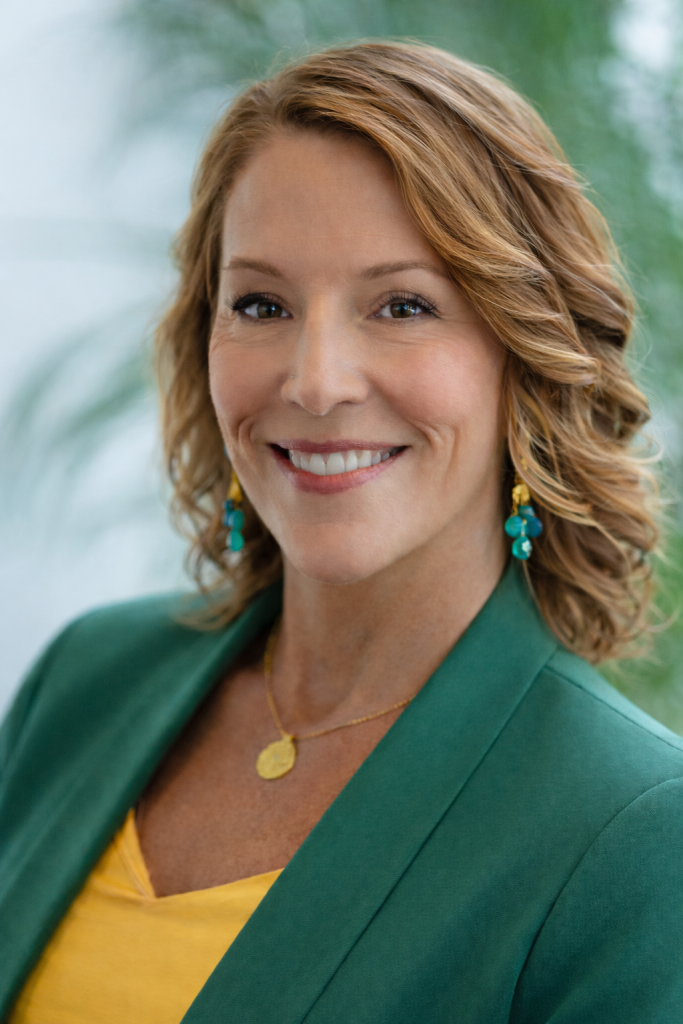
Reacting to these developments, Nasha Winters, ND, who recently joined ANH-USA’s Board of Directors, told us:
“Federal student loans made it possible for me to pursue my naturopathic medical education. Without them, I would not have had access to this training. I did not come from a background with the financial means to pay for medical school out of pocket, and loans were the bridge that allowed me to follow what has become my life’s purpose.”
(pictured left: Nasha Winters, ND, naturopath, integrative oncology specialist, and new ANH-USA Board member.)
“That said,” she continued, “the system is not without its flaws. It took me nearly twenty years to repay my loans, even with a hugely successful career, and I have seen many colleagues struggle with the financial burden of repayment. Eliminating loan access altogether, however, risks creating an even bigger problem. It could make naturopathic medical education accessible only to those with independent wealth, shutting out talented and passionate students who simply lack the resources.
“We should absolutely be discussing reforms to ensure students are not saddled with unsustainable debt,” she concluded. “But removing access entirely may unintentionally undermine the future of naturopathic medical education and the physicians it trains.”
At a time when Americans are demanding broader healthcare choices, federal policy is moving in the opposite direction.
Limiting student loan access for integrative professions raises barriers and shrinks patient choice.
Action Alert! Submit a comment to the federal docket on the Department of Education’s proposed rule.


4 years of naturopathic education ought NOT to cost $400,000. Get real, ND schools.