

The 2025–2030 Dietary Guidelines finally break with decades of ultra-processed, low-fat dogma—but lingering contradictions on saturated fat, grains, and industrial food systems keep them from delivering the real reform many of us had hoped for.
THE TOPLINE
- The new guidelines make long-overdue progress by calling out ultra-processed foods, cutting back on refined carbs and grains, easing sugar limits for kids, and restoring the importance of whole, nutrient-dense foods and quality protein.
- Despite pro-animal-food rhetoric, the guidelines fail to confront industrial agriculture, pesticide exposure, and regenerative sourcing—undercutting the promise of better meat, dairy, and produce.
- The biggest contradiction remains saturated fat: full-fat dairy and higher protein are encouraged on one hand, yet the outdated 10% cap persists on the other.
After decades of outdated nutrition advice from the US Department of Agriculture (USDA), the newly released 2025–2030 Dietary Guidelines for Americans mark a notable shift. Driven by the leadership of HHS Secretary Robert F. Kennedy Jr., the guidelines finally acknowledge what many Americans have long known: the modern diet, dominated by ultra-processed foods, refined carbohydrates, and chemical additives, is at least in part fueling a national epidemic of chronic disease.
But while the new guidelines move in the right direction, they remain marred by contradictions—particularly on saturated fat and the industrial realities of US food production.
A Long-Overdue Reckoning With Processed Foods
For the first time, the Dietary Guidelines explicitly call out ultra-processed foods (UPFs) as a major health risk—and urge Americans to significantly reduce their consumption. Easier said than done when well over half of all the calories Americans consume are currently comprised of UPFs.
The guidelines recommend limiting “highly processed, refined carbohydrates, such as white bread, ready-to-eat or packaged breakfast options, flour tortillas, and crackers,” and go further by advising Americans to avoid “highly processed packaged, prepared, ready-to-eat, or other foods that are salty or sweet, such as chips, cookies, and candy that have added sugars and sodium.” The guidelines don’t provide any guidance on how to deal with the addiction-like response that drives high rates of consumption of these foods.
Nonetheless, this is a major departure from past guidelines that appeared to look more like a Big Food advertising campaign. As recently as the advisory committee’s scientific report, federal nutrition experts declined to offer meaningful guidance on ultra-processed foods, citing supposedly “limited” evidence—despite a rapidly growing body of research linking these products to obesity, diabetes, cardiovascular disease, and even depression.
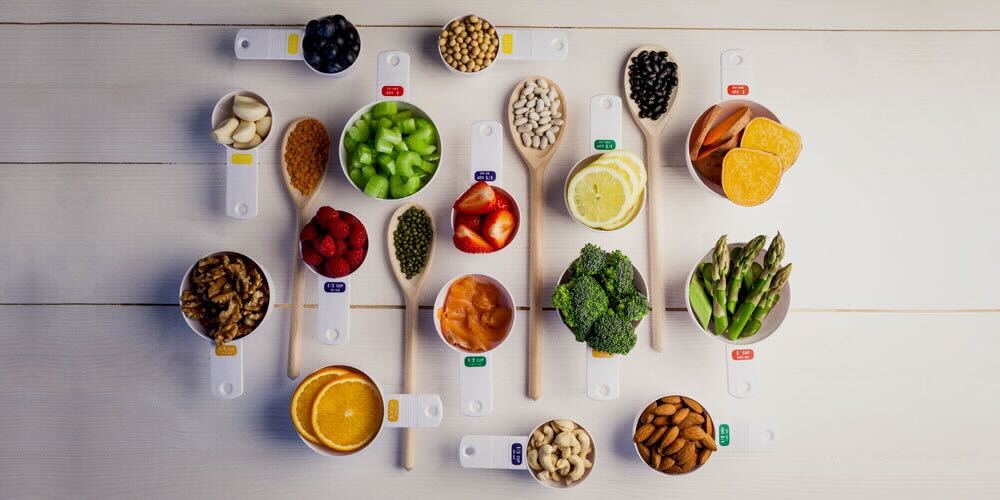
By contrast, the 2025–2030 guidelines now emphasize nutrient-dense, whole foods as the focus of a healthy diet. It is so clear and simple as to be astounding that this was left out of previous iterations.
The new guidelines also have better added sugar recommendations. Previous versions suggested no added sugar for children under 2; the new guidelines up this to age 10. This is in line with data showing that excess sugar early in life leads to health problems, in part due to affecting long-term taste preferences.
A Reset on Protein and Animal Foods
Another welcome shift is the softening—if not outright reversal—of the long-standing demonization of red meat and animal products. For years, ANH-USA has criticized the Dietary Guidelines for singling out all forms of red meat as inherently harmful, ignoring that it’s the source of the red meat that really matters—that is, whether it was raised in an industrial or a regenerative setting. Not to mention what’s done to the meat prior to it being consumed—notably if it’s carbonized, covered in sweet sauces, or infiltrated with preservatives.
The new guidelines elevate high-quality protein as central to metabolic health and no longer portray red meat as something to be avoided by default. This is a meaningful shift.
However, as others have pointed out, this advice falls short of highlighting red meat and other animal products that come from farms that employ regenerative practices. This is key. Most meat, eggs, and dairy in the United States come from industrial confinement systems that rely on routine drug use and genetically engineered feed treated with glyphosate and other herbicides. Residues of these chemicals then, of course, enter the food supply. More consumption of drug and chemical-laden foods certainly will not advance the Make America Health Again (MAHA) agenda; encouraging Americans to seek out regenerative options will.
While support for regenerative ag would have strengthened the dietary guidelines, MAHA activists will be pleased to learn that the USDA has earmarked $700 million to help farmers switch to regenerative practices. Given the guidelines were co-signed by RFK Jr. and USDA Secretary Brooke Rollins, it’s something of a surprise that this wasn’t mentioned. Could this have been a compromise reached with Big Ag—that leads the way on industrial farming systems—and Big Food—the masters of bliss factor-rich UPFs?
Grains: Less Is More, But the Framing Still Misleads
The new guidelines recommend two to four servings of whole grains per day, a significant reduction from previous guidance. Under MyPlate, women were advised to eat five to seven servings of grains daily, and men even more. Earlier still, the original food pyramid placed grains at its base, recommending six to eleven servings per day.
Recommendations to reduce total grain intake are a positive step, especially if the grains are in UPF form. But the fact the guidelines recommend 2-4 servings of whole grains but elsewhere (like in MyPlate) state that Americans should consume at least half their grains as whole grains suggests the guidelines could be interpreted as allowing up to 8 servings of grains! Given the new inverted pyramid shows grains at its base, this inclusion appears to be more symbolic than a true representation of the guidance.

Fruits and Vegetables: Steady, Sensible, Uncontroversial
On fruits and vegetables, the guidelines largely reaffirm existing scientific consensus. Americans are encouraged to consume five servings per day, spread throughout the day—a recommendation consistent with public health advice dating back decades.
This is sensible and uncontroversial, though it bears noting that profound differences in physiological effects from the consumption of fruits versus vegetables, produce quality, pesticide exposure, soil health, and culinary preparation remain absent from the discussion.
Fats: A Step Forward—and a Major Retreat
Nowhere are the contradictions in the new guidelines more glaring than in their treatment of saturated fat.
The guidelines now recommend three servings of full-fat dairy per day, abandoning decades of unscientific advice to consume only low-fat or fat-free products. Secretary Kennedy has publicly declared that the USDA is “ending the war on saturated fat.”
But as journalist Nina Teicholz has documented, that promise has not been fulfilled.
Despite RFK Jr.’s rhetoric, the longstanding 10 percent cap on saturated fat intake remains firmly in place—a policy that has been embedded in federal nutrition guidance since 1980.
So, on the one hand, the guidelines encourage cooking with butter and tallow, promote red meat and animal proteins, and recommend higher protein intake—1.2–1.5 g/kg body weight.
On the other hand, the 10 percent saturated fat cap makes these recommendations mathematically impossible to follow in practice. Yes, really.
As Teicholz shows, ordinary meals containing eggs, yogurt, butter, or steak quickly exceed the daily saturated fat allowance. In effect, Americans are told to eat foods they cannot realistically consume without violating the guidelines.
The higher protein recommendation only deepens the contradiction. With saturated fat restricted, that protein cannot plausibly come from animal sources—forcing reliance on plant proteins like peas, beans, and lentils that are less bioavailable, often incomplete, and higher in carbohydrates.
The Science on Saturated Fat Has Changed—The Guidelines Have Not
For decades, saturated fat has been vilified based on outdated assumptions about cholesterol and heart disease. Yet contemporary research increasingly shows no direct causal link between saturated fat intake and cardiovascular disease.
Saturated fats play essential roles in immune function, hormone production, and brain health. Meanwhile, the long-standing recommendation to replace saturated fats with industrial seed oils has created new problems. Seed oils are typically high in omega-6 fatty acids, disrupting the omega-3/omega-6 balance critical for reducing inflammation. They are also highly processed, stripped of nutrients, and often contaminated with oxidative byproducts. Emerging research has even linked certain seed oils to vascular calcification.
Conflicts of Interest?
ANH has, for years, pointed out the fact that food industry influence has marred the government’s dietary guidelines. Unfortunately, the current guidelines are no exception. Recent reporting has shown that the panel of experts whose advice informs the guidelines have conflicts of interest. Three of the nine members have connections to the National Cattlemen’s Beef Association; three panel members also have connections to the dairy industry. When the guidelines then provide full-throated support for eating more beef and dairy, it is difficult to dismiss the notion that industry influence played a part.
A Partial Break From the Past
The 2025–2030 Dietary Guidelines for Americans signal that the era of low-fat, ultra-processed, grain-heavy nutrition advice is finally cracking. The emphasis on whole foods, reduced sugar, fewer refined carbohydrates, and higher-quality protein reflects years of advocacy by independent researchers and organizations like ANH-USA.
But meaningful reform requires more than new language and redesigned graphics that don’t mesh with the guidelines themselves. As long as outdated fat caps remain, industrial agriculture goes unexamined, chemical exposures are ignored, and the public is not given advice how to curb is addiction to UPFs, federal nutrition policy will continue to fall short of its stated goals.
The guidelines gesture toward health—but stop just short of confronting the systems that undermine it.



If all kinds of factory farms were eliminated and replaced with regenerative ones, and ultra processed food was taxed so as to make it more expensive (hopefully the proceeds being used to help people), the dietary issues should resolve themselves. That is where the efforts should focus.