

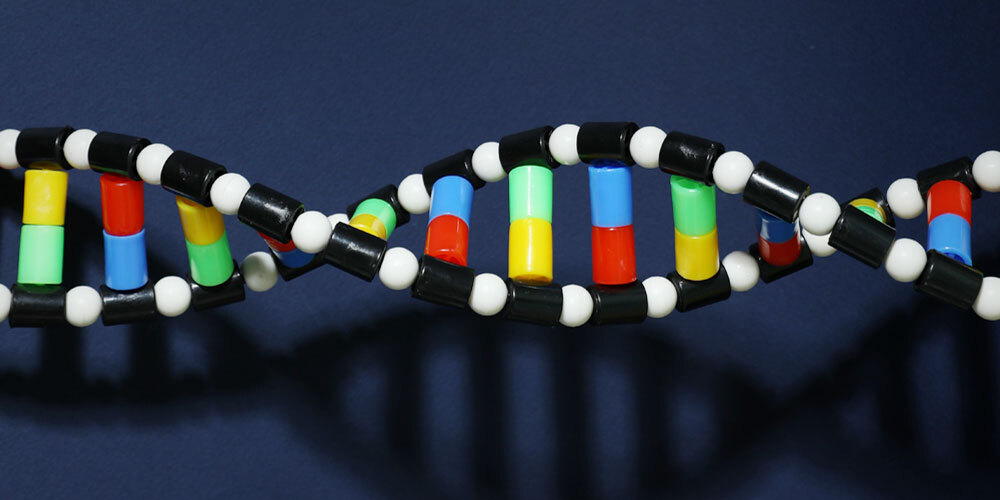
A new wave of genetically engineered “precision fermentation” foods is quietly entering the US market—without GMO labels and without your informed consent. We’re working on a plan to challenge this violation of consumer rights and trust—stay tuned.
THE TOPLINE
- Companies are using genetically engineered microbes to produce egg and dairy proteins, yet current labeling laws and rules don’t require these products to be identified as bioengineered.
- Many precision-fermented ingredients enter the market through the GRAS pathway, allowing companies to self-affirm safety while regulators focus on the final product—not the genetic engineering used to create it.
- Genetic alterations in production microbes can lead to unintended byproducts and novel compounds, raising unanswered questions about allergenicity, contamination, and chronic health effects.
There is a new generation of genetically engineered foods entering the US marketplace—and you won’t see the words “genetically modified”, “GMO”, “bioengineered” or any other term anywhere on the label.
It’s called precision fermentation and there’s a huge marketing machine behind it hailing it as “the Future of Food.” We call it what it is: GMO 2.0.
And thanks to regulatory loopholes, you may never know you’re eating it.
Many think the problem was solved when the US Department of Agriculture (USDA) published a new rule in 2019, that came into effect on January 1, 2022, namely the National Bioengineered Food Disclosure Standard (NBFDS). The rule requires many food manufacturers (including those making dietary supplements) to disclose when a product is a “bioengineered food” or contains a bioengineered food ingredient.
The Agricultural Marketing Service (AMS) of USDA keeps a list of foods or food ingredients it considers are derived through bioengineering. Currently there’s just 13 plant and a single salmon source on the list. All contain detectable levels of modified genetic material, most often determined using PCR.
Does it surprise you that biotech food producers have found a loophole?
Egg Proteins… Without Chickens
Consider The EVERY Company, a Silicon Valley startup founded in 2014 (originally Clara Foods). It has raised over $200 million to produce “egg proteins… without chickens.”
How?
The company uses genetically engineered yeast—specifically Komagataella phaffii—to express proteins found in eggs through precision fermentation. The yeast are genetically modified to produce egg white proteins in industrial vats. The protein is secreted into fermentation broth, filtered, and purified.
The company has received “no questions” letters from the FDA in response to its self-affirmed GRAS (Generally Recognized as Safe) determinations.
Here’s the catch: because the genetically engineered yeast is supposedly removed during processing, the final protein is not classified as “bioengineered” under US labeling laws.
So on a label, you may simply see “Egg white protein” or “Animal-free egg protein”
What you will not see is “bioengineered,” “genetically engineered,” or “precision fermentation.”
In short, there is no meaningful transparency about how this ingredient is made at point of sale.
There are a host of these products out there. We’ve been reporting about dairy proteins made through precision fermentation that are making their way into milk, ice cream, protein powders, nutrition bars, and sports drinks. Perfect Day, the company behind the synbio milk product Bored Cow, sells its precision fermented whey protein to be used in Brave Robot ice cream. The ingredients simply list “animal-free milk.” Precision fermentation is entering the meat and seafood sectors as well. European food companies Revo Foods and Paleo, for example, have partnered to develop plant-based salmon “alternative” enriched with precision-fermented myoglobin for “enhanced taste and functionality.”
Precision Fermentation Is Not Traditional Fermentation
Humans have cultured microbes for centuries. We use naturally occurring bacteria to make yogurt. We use yeast to make bread. But precision fermentation is code for the use of gene-edited “synbio” microbes where the genes have been modified to produce a naturally occurring ingredient, whether these are proteins in milk or different animal foods.
If microbes are genetically altered—if their DNA is rewritten so they produce novel proteins that would never naturally occur in that organism—there is a very strong possibility other genes will express proteins that are entirely new to nature. These off-target effects of gene-editing techniques like CRISPR are well known, but not widely communicated to the general public: such is the desire to maintain consumer confidence in the technology and not lose public trust as was the case with GMO foods.
But let’s not lose sight of just how closely the two technologies are related. GMO v1.0 involved genetic modification of whole organisms, while modern bioengineering typically involves the editing of specific sequences in an organism that in turn produces a product that is chemically equivalent to one produced through conventional agriculture. However, if the production organism has been genetically modified, we are actually dealing with a GMO process. Shouldn’t this be something that is communicated transparently to the end consumer even if regulators pretend the final purified protein is “substantially equivalent” to a food component found in nature?
We’ve seen this movie before. It’s the GMO debate from 25 years ago, repackaged and concealed under friendlier language intended to keep consumers in the dark, and avoid producers having to go through the costly process of proving their products are safe. Secretary Kennedy has a remit on “radical transparency”; well in this area of synbio foods, we desperately need more transparency.
“Substantial Equivalence” — The Old Trick Returns
Regulators focus primarily on the final product, not the method used to create it.
If a synbio milk protein looks chemically similar to a cow’s milk protein, it is treated as comparable under the law. The process that created it—industrial vats of genetically engineered microbes—is not itself the trigger for a separate regulatory category in the US.
This kind of milk conveniently escapes the National Bioengineered Food Disclosure Standard because the whey or casein within the synbio milk is the same as that from a cow. Let’s simply forget about any novel, off-target proteins that might have been generated in the process that contribute to the inflammatory profile of the American people that, in turn, underpins the country’s chronic disease epidemic.
In Europe, novel foods face centralized premarket review through the European Food Safety Authority. In the U.S., many precision-fermented ingredients enter the market through the GRAS pathway. Companies can self-affirm safety without mandatory premarket approval. Some voluntarily notify FDA; others do not.
The result? A regulatory black hole.
Unknown Compounds, Unknown Risks
Take the example of Bored Cow, an animal-free dairy milk made using synthetic biology proteins originally developed by Perfect Day.
Independent testing reported the presence of dozens of unidentified compounds—92 unknown substances in one analysis. Even small genetic alterations can shift metabolic pathways in microbes, leading to unexpected byproducts.
Life depends on gene expression—and gene expression is regulated by epigenetics. Food is one of the most powerful environmental signals affecting gene expression. Introducing novel, engineered proteins into the diet is an open-air science experiment, and we’re the guinea pigs.
Low-level inflammation triggered by unfamiliar proteins or contaminants would not announce itself dramatically. It would hide behind the noise of modern life: chemical exposures, ultra-processed foods, chronic stress.
The Push to Normalize
Public acceptance is being engineered as carefully as the microbes.
These products are framed as sustainable, climate-friendly, inevitable. They are increasingly introduced through processed foods and institutional supply chains—where consumers have the least visibility and the fewest choices.
The language is deliberate:
- “Animal-free”
- “Sustainable”
- “Precision”
- “Identical to nature”
What’s missing are some simple words that tell us the product is the result of synthetic biology or synbio, one that has been bioengineered, gene edited, or plain old-fashioned genetically engineered.
Because under current US labeling rules under the NBFDS, if the engineered microbe is filtered out, the product does not have to be labeled as bioengineered.
The genetic manipulation disappears from the label…along with your informed consent.
The Illusion of Precision
“Precision” implies control.
But genetic engineering is not the same as flipping a light switch. There are risks. DNA insertion can cause unintended mutations. Microbes can produce off-target metabolites. Proteins expressed in yeast can undergo different post-translational modifications than those produced in animals, potentially altering allergenicity or immunogenicity.
The system assumes purification removes all risk. But industrial processes are never perfect. Contamination, instability, and unintended byproducts are inherent risks in any biological manufacturing system.
No Transparency, No Choice
At ANH, we believe in transparency and informed consent. Consumers have the right to choose real food over engineered substitutes—and that begins with honest labeling.
The new GMO wave is here. It’s up to us to demand the right to know what we’re eating and not to be lied to by the food and biotech industries.
We’ll let you know the minute we launch our initiative aimed at blocking the synbio loophole.

I STRONGLY AGREE THAT WE THE PEOPLE HAVE THE RIGHT TO KNOW HOW WE RECEIVED OUR FOOD’S AS WELL AS ANYTHING THAT WAS DONE BY OTHER HUMAN TO DO ANYTHING THAT CHANGED OUR FOOD’S IN ANY WAY FROM THE WAY GOD ARRIGIONALLY GAVE THEM TO US.
There’s already an upswing of inflammatory disorders – this will just create more. What’s wrong with having just ‘plain ole food’ to eat – why all the experimentation – nobody benefits except the ones selling. Can’t believe Paleo is going for this.
I first realized I was gluten intolerant when I got woke up after a supper with a hamburger bun and couldn’t sleep for two+hours. Depends on the meal as to whether I got sleep or not and the time I didn’t sleep. It took longer to figure out dairy intolerance as I grew up on a dairy farm with whole milk and no pasteurization.
I really look forward to having to decifer more labels! NOT